- Price:
- USD $50.00 postpaid (international air mail included)
- Designers:
- Laboratories
- Publisher:
- Seibundo Shinkosha
- Categories:
- Idea + Publications
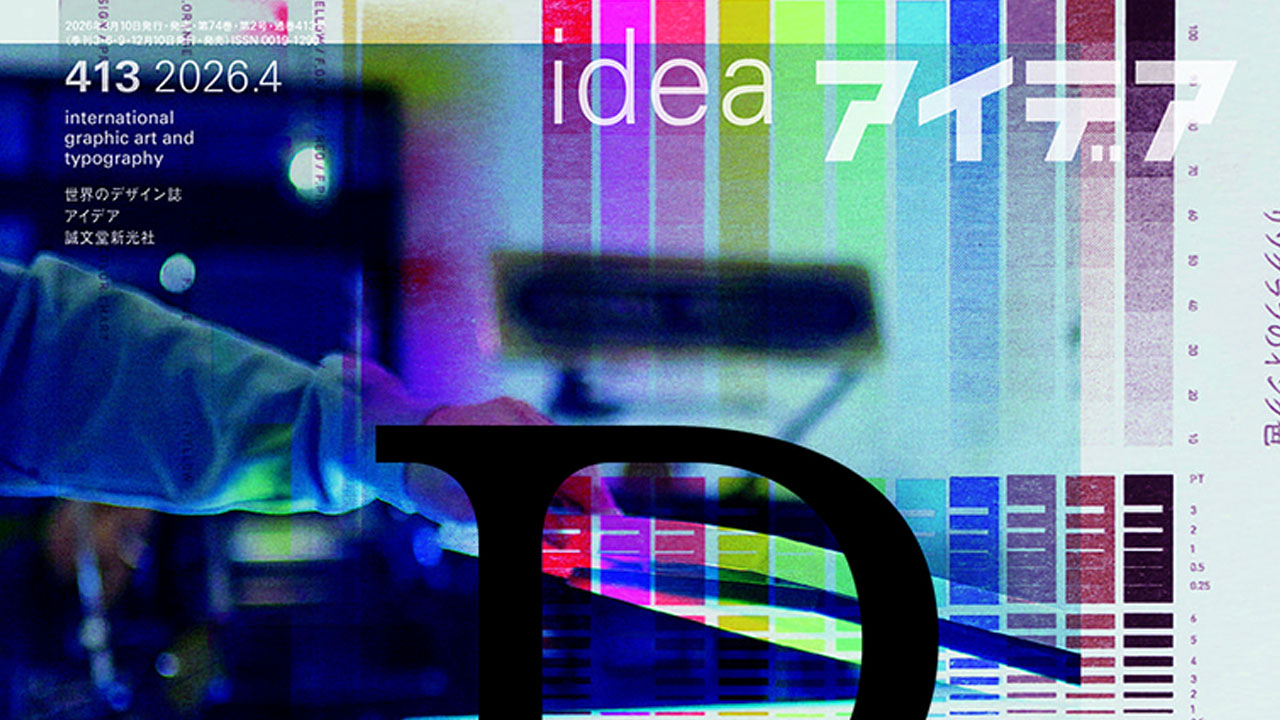
For a long time printing has advanced along the lines of homogeneity and reproducibility. From letterpress to offset, then digital printing— we can see the collective result of investigations into accurate, efficient print reproduction methods. With the support of this technical infrastructure, Japan’s publishing culture has matured into specialist labor divisions: authors, editors, designers, printers, distributors, and bookstores.
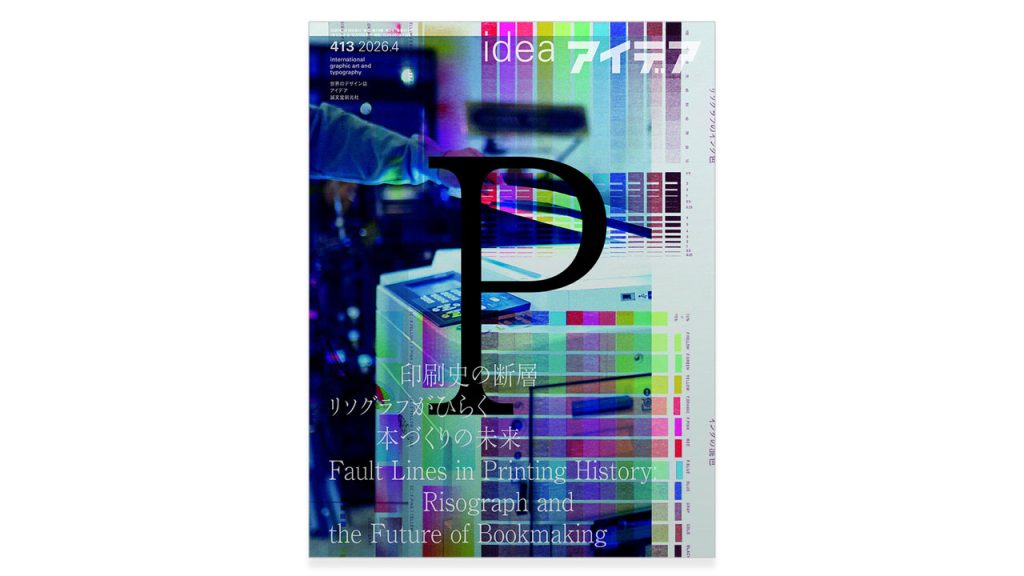
In recent years however, the boundaries have quietly begun to blur. The practice of bookmaking has expanded, with disciplines like editing, design, printing, book binding, and distribution now being bridged: small-scale, flexible publishing models are attracting renewed attention.
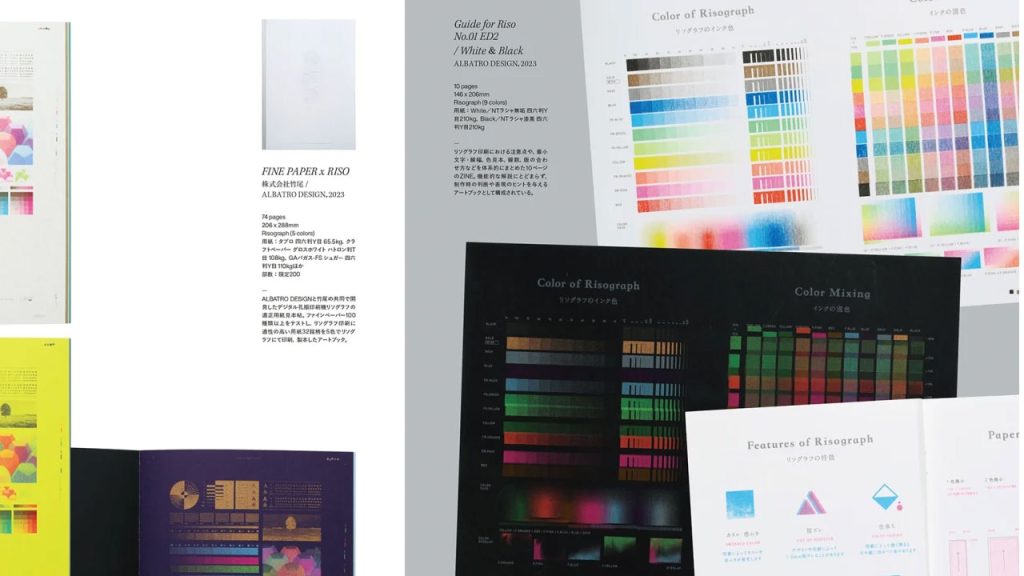
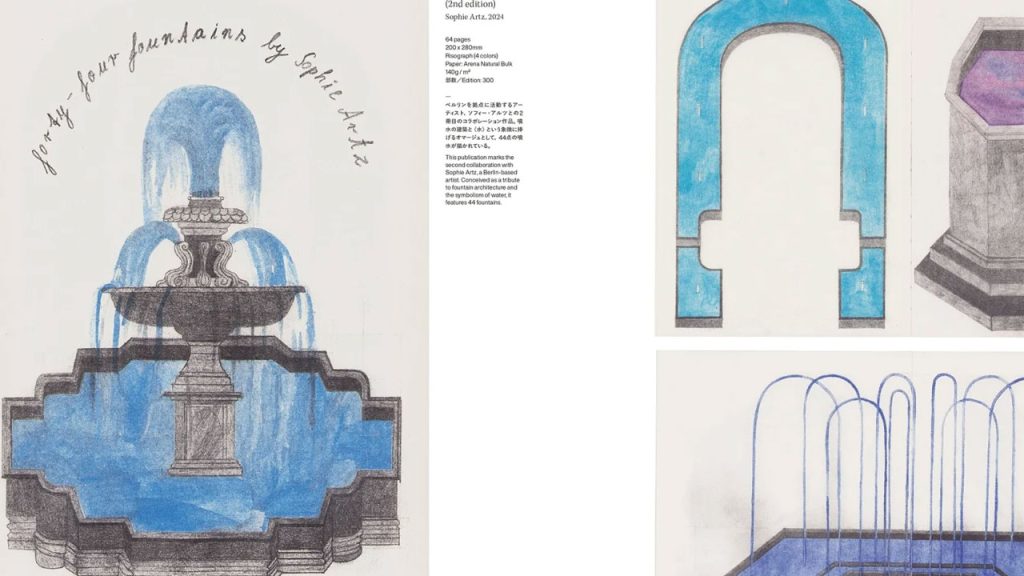
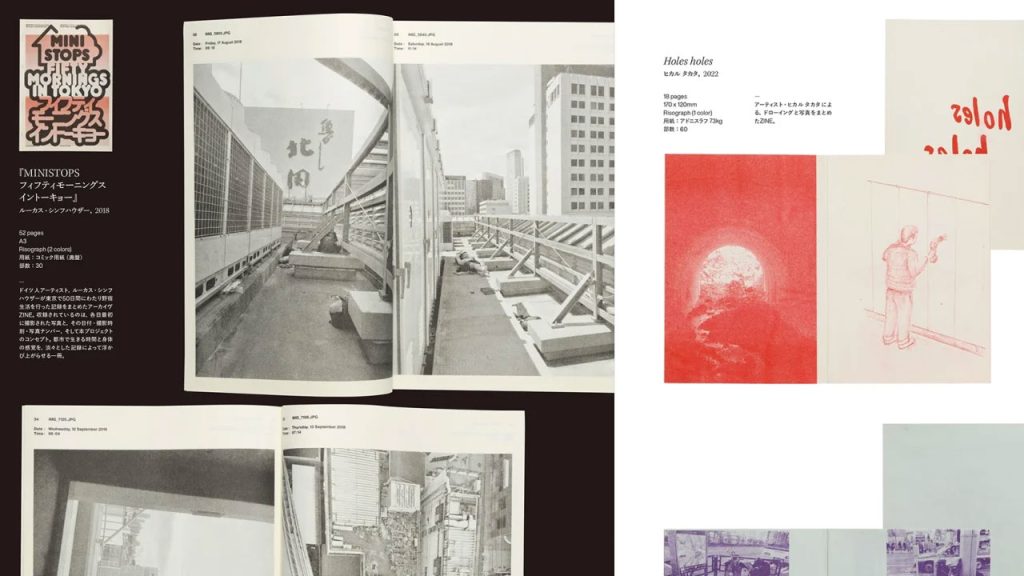
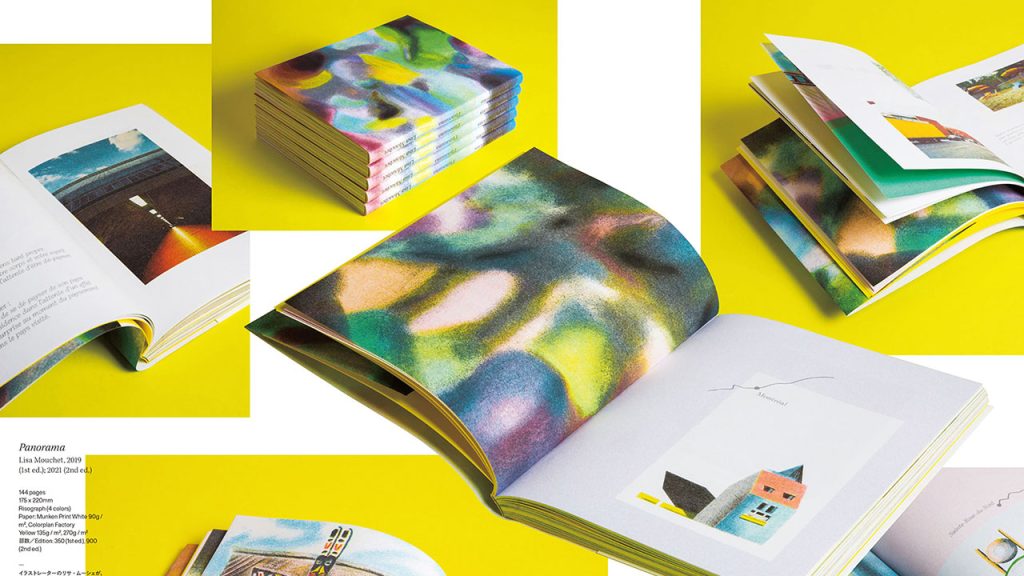
This has resulted in Risograph printing receiving a fresh spotlight. Developed by Riso Kagaku Corporation, Risograph printers started by gaining popularity as simple printing units for use in educational institutions and offices. Since the 2000s however, they were discovered by international artists and designers, and an independent cultural sphere started forming surrounding zines and art books. This culture is starting to grow again as it runs alongside other movements in Japan.
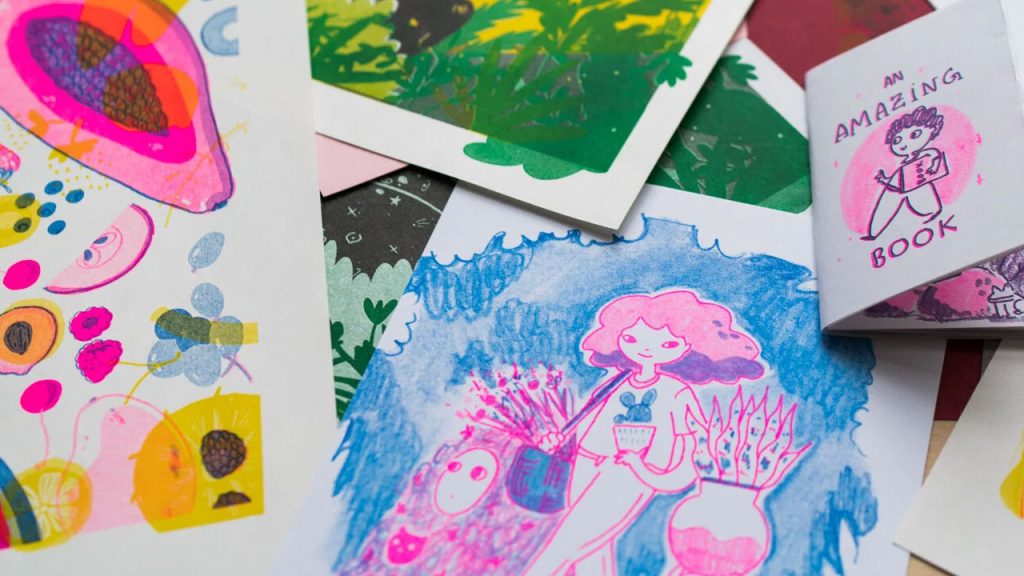
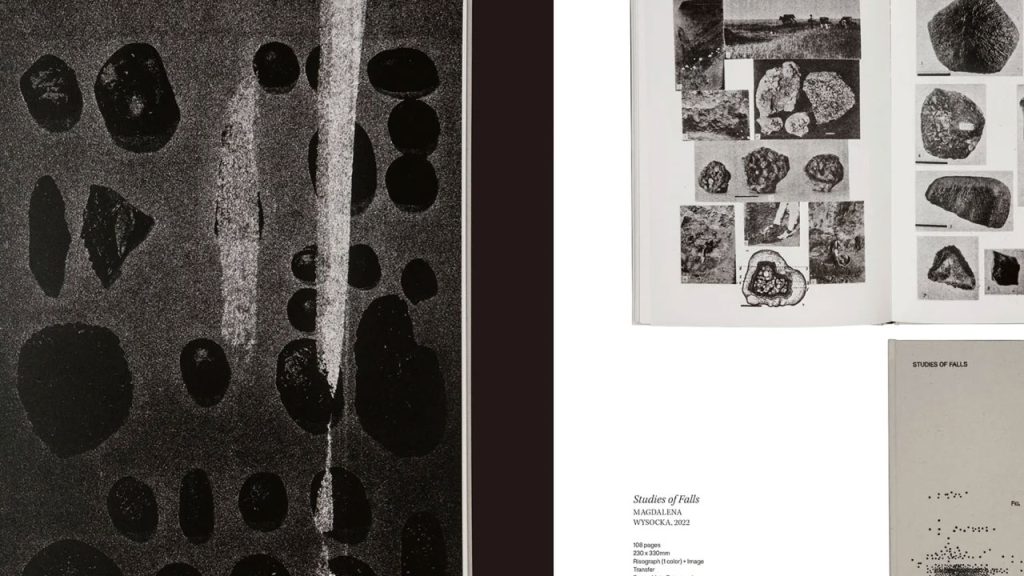
While not an all-powerful solution, Risograph printing embraces the uncertain: misalignment, patchy prints, and color irregularity. These accidental forms of expression and analog textures offer distinct value in contrast with the standardized uniformity of mass produced prints.
The history of printing has always been centered around homogeneity and reproducibility. Now the marks of production, like imperfections and uncertainties, are starting to carry a different meaning. Risograph printing is bringing different values to this history, and we can place it on the fault line occurring.
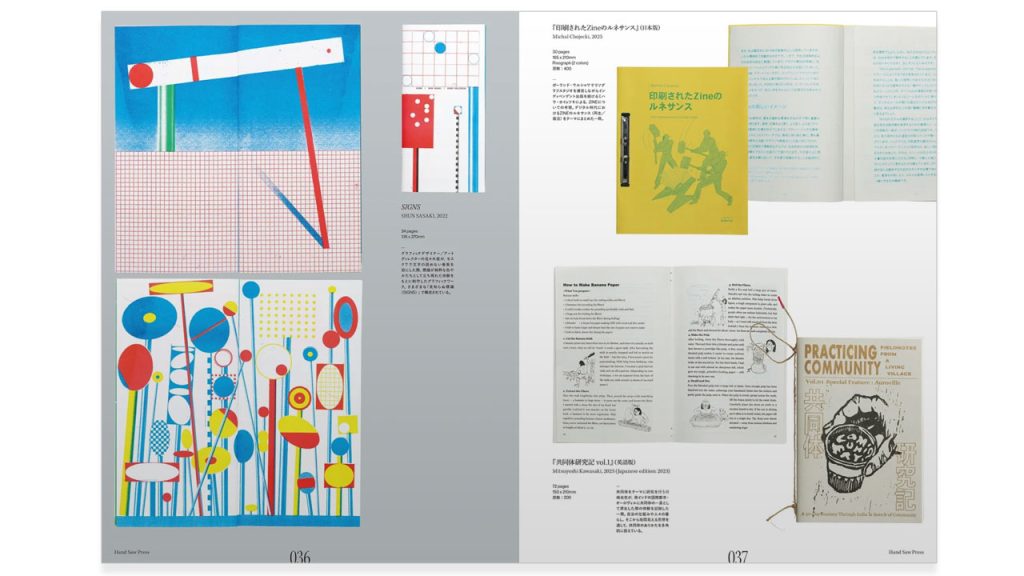
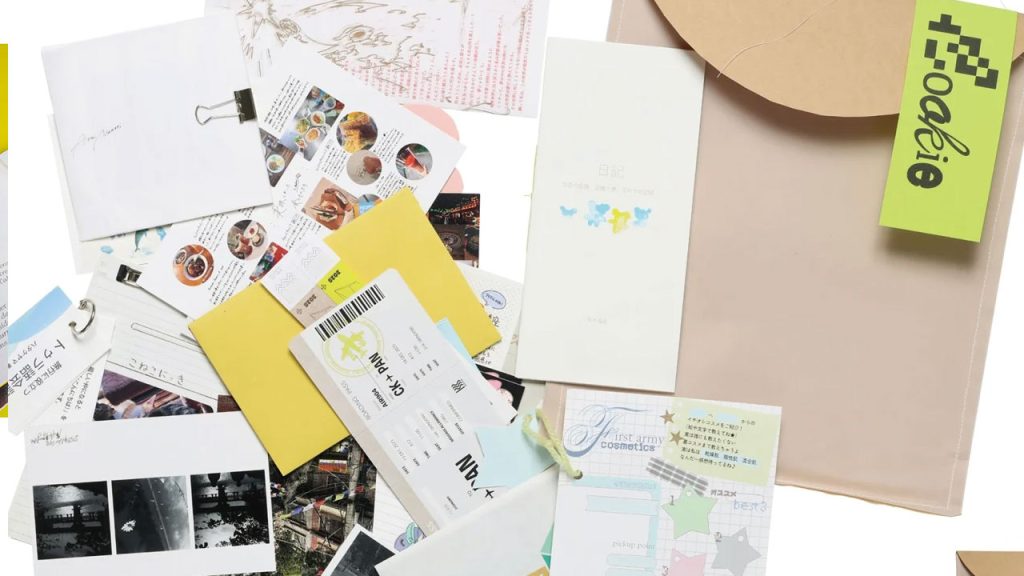
This printing technique is the result of various DIY experiments, and it has now led on to zines and art books. Design studios and independent publishers are increasingly adopting Risograph printing into their workspaces, further boosting the practice of self publishing.
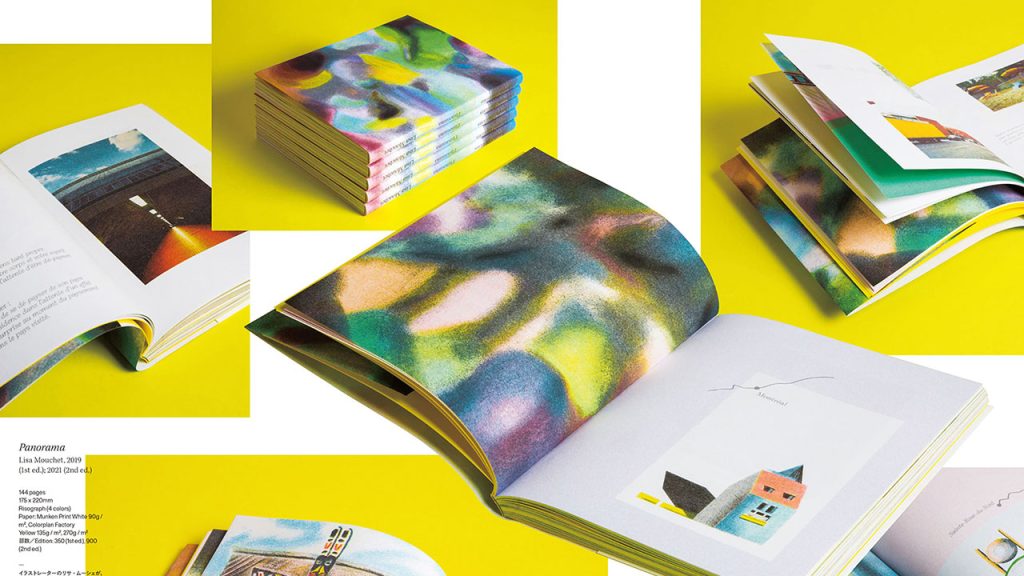
Over 15 years have passed since the birth of e-books in 2010. Though they used to be produced in the tens of thousands, magazines and books are now predominantly printed in runs of a few thousand copies. As the current publishing model—predicated on mass printing and distribution—continues to waver, Risograph printing has stepped in as a timely option suited to small print runs and reprints. We are also seeing a simultaneous growing interest in the area of crafting books further fueling the movement; one where content and form are more closely linked and each volume is hand made.
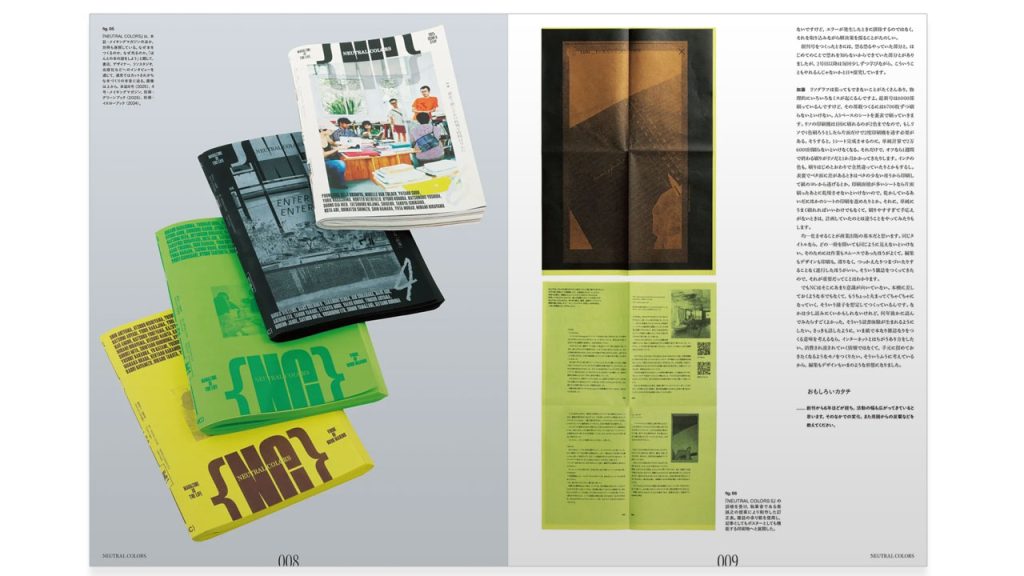
The activities of longstanding hubs supporting zine culture, like Knust (pp.015–022) reveal a history of an intertwining, evolving mix of technology and culture. Neutral Colors (pp.003–014), which launched the magazine of the same name in 2020, handles their entire production in-house: editing, design, Risograph printing, and even distribution. They are also a contemporary answer to the problem of the traditional publishing model of specialist labor divisions and efficiency.
This feature attempts to revisit the relationship between printing and publishing through interviews with Risograph studios and independent publishers both internationally and in Japan, and explore the potential in publishing culture actively distancing itself from efficiency and homogeneity.
Direction by Idea Design by LABORATORIES(Kensaku Kato, Sae Kamata, Sakura Koizumi)
Photography by Satoshi Aoyagi
Translation by Duncan Brotherton, Fraze Craze Inc., Momo Nonaka
Featuring Neutral Colors, Knust, Pamflett, Hand Saw Press, ALBATRO DESIGN / PRINT + PLANT
Terry Bleu, Outer Space Press, Puresu du TOKYO
Quintal, Brook Press, and more!
A Small History of Alternative Printing, Books, and Graphic Design
Text by Yasuhito Nagahara
What is Risography: producers. workshops. cooperations.
Text by Toshiaki Koga
Thoughts in February While Washing Ink-Stained Hands
Text by Jun Kawana
Personal Reflections on Risograph and Self-Publishing
Text by Momo Nonaka
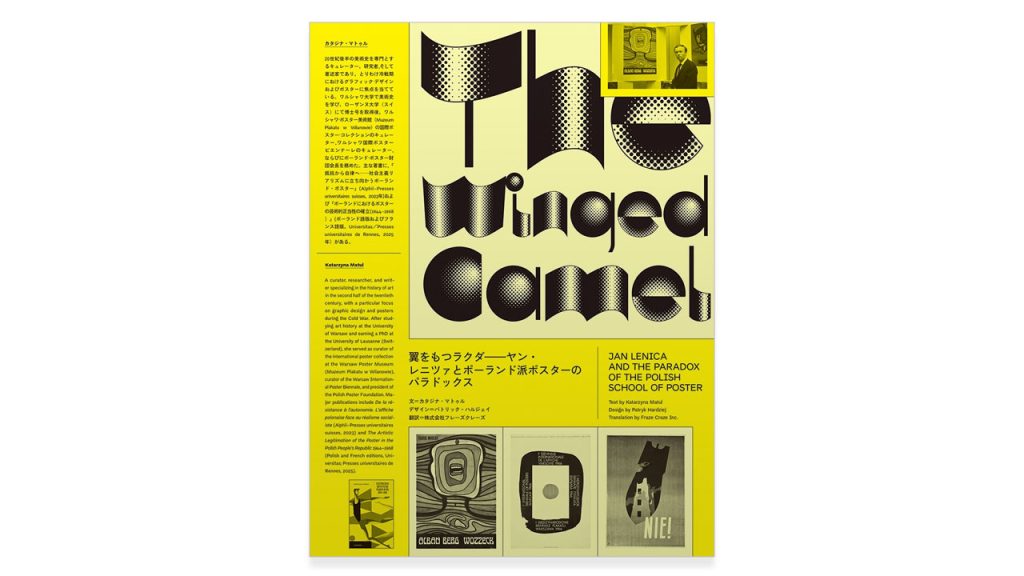
The Winged Camel: JAN LENICA AND THE PARADOX OF THE POLISH SCHOOL OF POSTER
Text by Katarzyna Matul
Design by Patryk Hardziej
Translation by Fraze Craze Inc.
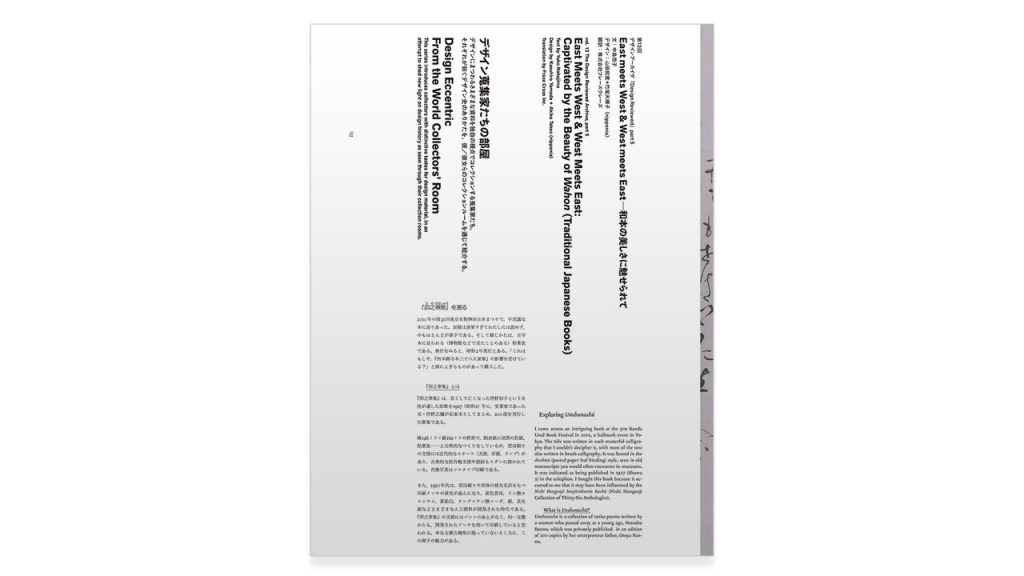
Design Eccentric From the World Collectors’ Room
Vol. 13: The Design Reviewed Archive, part 5
East meets West & West meets East:
Captivated by the Beauty of Wahon (Traditional Japanese Books)
Text by Yuko Nakajima
Design by Kazuhiro Yamada + Akiko Takeo (nipponia)
Translation by Fraze Craze Inc.
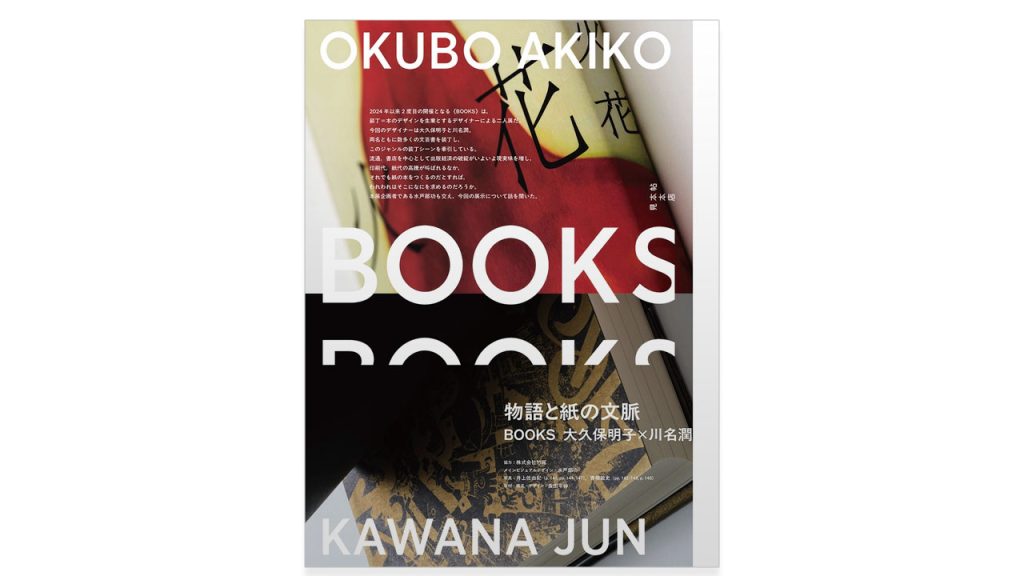
Narrative in the Context of Paper
BOOKS Akiko Okubo × Jun Kawana
Interview & Text & Design by Toshinobu Nagata
Cooperation: Takeo Inc.
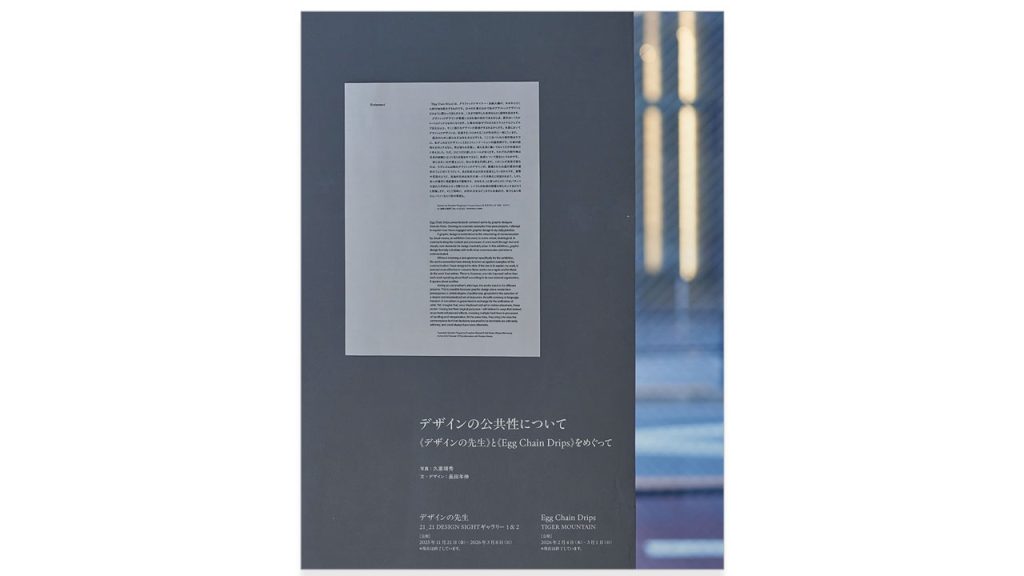
Design and the Public Sphere
On Learning From Design Maestros and Egg Chain Drips
Text & Design by Toshinobu Nagata
Photo by Yasuhide Kuge